
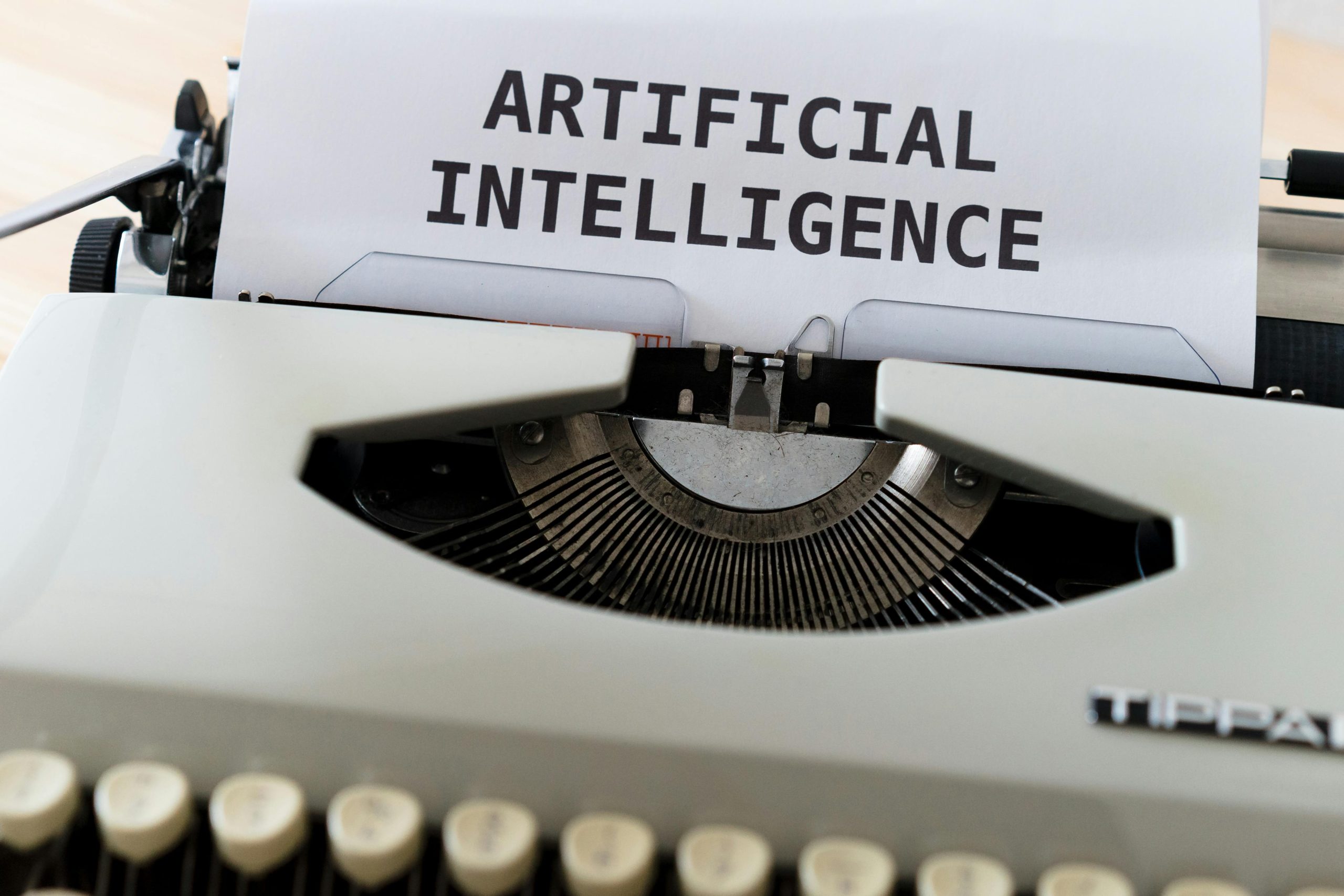
Artificial intelligence, or AI, is transforming how organizations operate, compete and make strategic decisions. For C-suite executives in transition, this shift presents both opportunity and uncertainty. Boards, investors and hiring organizations are increasingly seeking leaders who can manage technological disruption while maintaining operational stability, workforce engagement and long-term business growth.
Summary
- AI is reshaping executive leadership expectations across industries.
- Executive transitions require stronger digital fluency and adaptability.
- Leadership skills remain essential, while technical awareness is increasingly valuable.
- Executives who embrace continuous learning are more competitive in today’s market.
How AI Is Changing Executive Leadership
The AI economy extends beyond the technology sector. Healthcare, financial services, manufacturing, retail, logistics and professional services organizations are integrating AI into business strategy and daily operations. As a result, executive leadership expectations are evolving. Organizations are seeking leaders who can:
- Evaluate AI-driven business opportunities.
- Lead workforce transformation initiatives.
- Balance innovation with risk management.
- Support data-informed decision making.
Executive Reinvention Starts with Mindset
Many senior executives built successful careers through operational expertise, industry knowledge and leadership consistency. While those strengths remain important, executive career reinvention often requires demonstrating continued relevance, adaptability and future readiness.
Executives facing career transition may rely too heavily on past titles or accomplishments. Experience remains important, but organizations are increasingly evaluating leadership agility and the ability to navigate change. Reinvention starts with several mindset shifts that can strengthen executive positioning during transition, such as:
- Move from expertise to curiosity. Executives do not need to have every answer. What executives should have is the willingness to learn, ask informed questions and engage with emerging business trends.
- Move from stability to adaptability. Organizations continue to restructure in response to technological advancement and shifting market conditions. Leaders who demonstrate resilience and flexibility are often more attractive during the executive hiring processes.
- Move from authority to influence. Modern leadership environments require collaboration across technology, operations, finance, legal and human capital functions. Executives who lead through influence and alignment are increasingly valuable.
Strengthening Executive Positioning
Executives in transition should assess whether their professional brand reflects current market expectations. Resumes, LinkedIn profiles and networking conversations should communicate both leadership depth and business relevance.
Additionally, executives should also demonstrate awareness of how AI is influencing workforce planning, business strategy and competitive positioning. Key areas executives should evaluate include:
- Leadership Narrative. Does your career story reflect adaptability and strategic growth?
- Industry Relevance. Have you connected your experience to current business challenges?
- Innovation Exposure. Can you discuss digital transformation, automation or AI-related business shifts?
- Board Readiness. Can you demonstrate an understanding of governance responsibilities and emerging technology risks?
Human Leadership Skills Matter
As organizations adopt AI and automation, human leadership skills are becoming increasingly important. Employees often experience uncertainty during periods of technological change, making steady and effective leadership essential. Critical leadership capabilities in the AI economy include:
- Emotional Intelligence
- Strategic Communication
- Change Leadership
- Ethical Decision-Making
- Cross-Functional Collaboration
While technology can improve efficiency, leadership continues to drive culture, trust and organizational alignment. Executives who combine business insight with strong interpersonal leadership skills are often best positioned for long-term success.
Continuous Learning Supports Executive Relevance
Executives in transition should remain engaged with AI trends, digital transformation and evolving leadership expectations. Continuous learning through executive education, industry discussions and peer networks helps leaders maintain relevance and strategic credibility in a rapidly changing business environment. The goal is not to become a technical expert, but rather to remain informed, adaptable and capable of leading through change.
Career Reinvention Is an Evolution
One of the most common misconceptions about executive career reinvention is the belief that prior experience no longer matters. Organizations continue to value leadership maturity, operational expertise and decision-making experience. However, that experience must now be positioned through a modern business lens.
Executives who can demonstrate how they led transformation, managed complexity and adapted to changing business environments remain highly valuable. Executive reinvention is not about abandoning professional identity. It is about evolving leadership positioning to reflect current market realities and future business needs.
Frequently Asked Questions
- Do executives need technical AI expertise to remain competitive?
No. Most organizations are not seeking executives who can build AI systems. They are seeking leaders who understand AI’s business implications and can guide organizational strategy effectively. - How can executives demonstrate adaptability during a transition?
Executives can demonstrate adaptability through continuous learning, engagement with emerging business trends, participation in transformation initiatives and updated professional positioning. - What is the biggest mistake executives make during career reinvention?
One common mistake is relying too heavily on past accomplishments without connecting those experiences to current business challenges and evolving leadership expectations.
Final Thoughts
The AI economy is reshaping executive leadership, but organizations still rely on experienced leaders who can guide teams through uncertainty, align strategy with execution and adapt to evolving business realities. For executives in transition, success depends on repositioning existing leadership strengths to meet changing organizational and market demands.